- Why Disclaimers Matter for Legal and Business Protection
- Legal Liability Protection
- Building Trust Through Transparency
- Industry-Specific Requirements
- Protect Your Business with Professional Disclaimer Templates
- What Is a Disclaimer and How Does It Work
- Core Components of Effective Disclaimers
- How Disclaimers Differ from Terms and Conditions
- Legal Foundation and Enforceability
- Types of Disclaimers Every Business Should Know
- General Website Disclaimers
- Fair Use Disclaimer for Copyright Protection
- Medical and Health Disclaimers
- Financial and Investment Disclaimers
- Affiliate Marketing Disclaimers
- Product Review Disclaimers
- Professional Services Disclaimers
- Trademark Disclaimers
- “As-Is” and Warranty Disclaimers
- Real-World Disclaimer Examples from Leading Organizations
- Educational Institution Disclaimer Example
- E-commerce Product Disclaimer Example
- Social Media Content Disclaimer
- Software and App Disclaimer Example
- News and Media Disclaimer
- Fitness and Exercise Disclaimer
- How to Create Effective Disclaimers for Your Business
- Essential Elements of Strong Disclaimers
- Effective Disclaimer Elements
- Disclaimer Mistakes to Avoid
- Writing Clear and Understandable Language
- Proper Placement and Visibility
- Tailoring Disclaimers to Specific Risks
- Keeping Disclaimers Current
- Generate Custom Disclaimers for Your Business
- Disclaimers, Trust, and Transparency in Modern Marketing
- The Trust Equation in Digital Marketing
- Ethical Disclosure Practices
- Balancing Legal Protection and User Experience
- Building Credibility Through Honest Communication
- Legal Requirements and Regulatory Compliance
- Federal Trade Commission Requirements
- Industry-Specific Regulations
- International Considerations
- Consequences of Non-Compliance
- Best Practices for Implementing Disclaimers
- Technical Implementation Considerations
- Design Integration
- Multilingual Disclaimers
- Testing and Validation
- Documentation and Record-Keeping
- Get Your Free Disclaimer Compliance Checklist
- Common Disclaimer Mistakes and How to Avoid Them
- Using Generic Templates Without Customization
- Inconsistent Disclaimer Application
- Hiding Disclaimers in Obscure Locations
- Contradicting Disclaimers with Marketing Claims
- Failing to Update Outdated Disclaimers
- Overlooking Mobile Disclaimer Display
- Assuming Disclaimers Eliminate All Risk
- Industry-Specific Disclaimer Guidance
- E-commerce and Retail Disclaimers
- Content Publishers and Bloggers
- Software and Technology Companies
- Professional Services
- Educational Content and Courses
- Health and Wellness
- Frequently Asked Questions About Disclaimers
- Do I really need a disclaimer if I’m just a small blog?
- Where should I place disclaimers on my website?
- Can I copy disclaimer language from another website?
- Do disclaimers need to be reviewed by a lawyer?
- How often should I update my disclaimer?
- What is the difference between a disclaimer and terms of service?
- Can a disclaimer completely protect me from lawsuits?
- Are email disclaimers legally effective?
- Implementing Disclaimers: Your Action Plan
- Immediate Actions to Take
- Building Long-Term Disclaimer Strategy
- Ready to Protect Your Business with Professional Disclaimers?
Why Disclaimers Matter for Legal and Business Protection
Disclaimers serve as your first line of defense against potential legal claims. When someone uses your website content, follows your advice, or interacts with your products, they form certain expectations about accuracy and outcomes. A well-crafted disclaimer notice helps manage these expectations while protecting your business from liability claims.
Legal Liability Protection
The primary purpose of disclaimers is to help limit legal liability exposure. Without proper disclaimer statements, your company could face lawsuits from users who claim they suffered losses or damages based on your content. While disclaimers do not eliminate all legal risk, they establish important boundaries that courts often recognize.
Courts generally respect properly written disclaimers, especially when they clearly communicate limitations to users. The disclaimer must be conspicuous, written in plain language, and placed where users can reasonably find it. This legal recognition makes disclaimer notices valuable tools for risk management.
Building Trust Through Transparency
Trust Statistics: According to research published on Statista, transparency ranked as one of the most important traits consumers value in brands. The data shows that trustworthiness and transparency influence purchasing decisions across multiple markets worldwide.
Transparency in marketing creates stronger customer relationships. When you clearly disclose affiliate relationships, sponsored content, or the informational nature of your content through disclaimer statements, you demonstrate respect for your audience. This honesty builds long-term trust that translates into customer loyalty.
Users appreciate knowing the limitations of information they receive. A disclaimer that honestly states “this content is for informational purposes only and should not replace professional advice” shows integrity. The notice lets users know exactly what they can expect from your content and how they should use it.
Industry-Specific Requirements
Certain industries face specific disclaimer requirements due to regulatory oversight. Financial services, healthcare, legal services, and real estate all operate under strict disclosure rules. Businesses in these sectors must include specific disclaimers to remain compliant with regulatory requirements.
The past performance of investments requires disclaimers stating that future results cannot be guaranteed. Medical content needs notices clarifying that information does not constitute medical advice. These industry-specific disclaimers protect both businesses and consumers by setting clear expectations.
Protect Your Business with Professional Disclaimer Templates
Access our comprehensive collection of legally-reviewed disclaimer templates designed for websites, blogs, and businesses. Get instant downloads of customizable templates that help limit legal liability and maintain compliance.
What Is a Disclaimer and How Does It Work
A disclaimer is a formal statement that denies or limits responsibility for specific aspects of content, products, or services. The statement works by establishing clear boundaries between what a company provides and what it guarantees or promises to users.
Core Components of Effective Disclaimers
Every effective disclaimer contains several essential elements. The notice should identify what is being disclaimed, specify the scope of the limitation, and use clear language that average users can understand. The disclaimer states the exact nature of the relationship between the provider and user.
The scope defines what the disclaimer covers. A website disclaimer might address accuracy of information, availability of services, and limitations on liability for damages. A product disclaimer could specify warranty limitations, proper use requirements, and exclusions from coverage.
Clear language is crucial for disclaimer effectiveness. Legal jargon and complex terminology can render disclaimers unenforceable if courts determine that reasonable users could not understand them. Plain English that directly states limitations works best for most disclaimer purposes.
How Disclaimers Differ from Terms and Conditions
Many people confuse disclaimers with terms and conditions agreements, but these serve different purposes. A terms and conditions agreement creates a binding contract that governs the relationship between parties. The agreement outlines rights, responsibilities, and rules for using a service or website.
Disclaimers, in contrast, limit liability rather than create obligations. The disclaimer notice informs users about limitations without requiring their acceptance to form a contract. Both documents often appear together on websites, but they serve complementary rather than identical functions.
Some businesses combine disclaimers with terms and conditions in a single document. This approach can work, but it requires careful drafting to ensure the disclaimer language maintains its protective function while the contractual terms remain enforceable.
Legal Foundation and Enforceability
Disclaimer enforceability depends on several legal principles. Courts generally uphold disclaimers that are clear, conspicuous, and not contrary to public policy. The notice must appear where users can reasonably see it before they rely on the disclaimed information or service.
Public policy limitations prevent disclaimers from excluding certain fundamental rights. A disclaimer cannot eliminate liability for gross negligence, intentional harm, or violations of consumer protection laws. These limitations ensure that disclaimers serve legitimate purposes without enabling harmful conduct.
Proper placement significantly affects disclaimer validity. Website disclaimers should appear prominently on relevant pages, not hidden in obscure locations. The notice should use formatting that draws attention, such as bold text or contrasting colors, to ensure users encounter it.
What Disclaimers Can Do
- Limit liability for informational content accuracy
- Clarify that content does not constitute professional advice
- Disclose affiliate relationships and sponsored content
- Protect against claims based on user misuse
- Set expectations about product or service limitations
- Reduce exposure to certain types of lawsuits
What Disclaimers Cannot Do
- Eliminate all legal liability completely
- Override consumer protection laws
- Excuse intentional wrongdoing or fraud
- Replace necessary professional licenses or compliance
- Waive rights that public policy protects
- Substitute for proper insurance coverage
Types of Disclaimers Every Business Should Know
Different business activities require different types of disclaimers. Understanding which disclaimer types apply to your situation helps ensure comprehensive protection. The following sections examine the most common disclaimer categories and their specific applications.
General Website Disclaimers
Website disclaimers provide broad protection for online content. These notices typically address information accuracy, website availability, and limitations on liability for how users apply website content. The disclaimer appears prominently on the website, often in the footer or on a dedicated page.
A general website disclaimer often includes statements about errors and omissions. The notice clarifies that while the company strives for accuracy, the website content may contain mistakes or outdated information. This protection helps limit legal liability when users rely on website information that proves incorrect.
The disclaimer should address third-party content and links. Many websites include links to external resources or display user-generated content. The disclaimer states that the company does not endorse or take responsibility for third-party content, protecting against liability for external material.
Fair Use Disclaimer for Copyright Protection
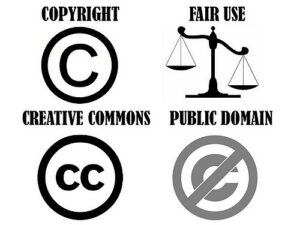
A fair use disclaimer appears when content may contain copyrighted material used under fair use principles. This type of disclaimer is common on educational websites, review sites, and commentary platforms. The notice explains that any copyrighted work appears for purposes like criticism, commentary, news reporting, or education.
The fair use disclaimer should reference the specific section of copyright law that permits such use. In the United States, this means citing Section 107 of the Copyright Act. The disclaimer may note that the copyrighted material belongs to the respective copyright owner and that the use is not intended to infringe on copyright.
According to WIPO (World Intellectual Property Organization), intellectual property protection extends globally through various treaties and agreements. Understanding these international frameworks helps businesses create disclaimers that respect copyright while exercising fair use rights appropriately.

Medical and Health Disclaimers
Health-related content requires specific disclaimers stating that information does not constitute medical advice. These disclaimers protect websites that discuss health topics, wellness, nutrition, or fitness. The notice clarifies that content is for informational purposes only and cannot replace consultation with qualified healthcare professionals.
A medical disclaimer typically includes language directing readers to consult their doctors before making health decisions. The statement emphasizes that the website content should not be used for diagnosing or treating medical conditions. This protection is essential given the serious consequences that can result from relying on health information without professional guidance.
The disclaimer may specify that the authors are not licensed medical professionals, unless they are. If health content comes from licensed practitioners, the disclaimer should clarify that the general information provided does not create a doctor-patient relationship with readers.
Financial and Investment Disclaimers
Investment content requires disclaimers about past performance and future results. Financial disclaimers protect websites, advisors, and companies that discuss investments, trading, or financial strategies. The statement typically includes the standard warning that past performance does not guarantee future results.
These disclaimers often state that content is not investment advice or a recommendation to buy or sell securities. The notice may indicate that readers should consult qualified financial advisors before making investment decisions. This protection is crucial in the heavily regulated financial services industry.
The disclaimer should address the speculative nature of investment information. Market conditions change rapidly, and information that was accurate when published may quickly become outdated. The notice helps limit legal liability by acknowledging this inherent uncertainty in financial markets.
Affiliate Marketing Disclaimers
When a website earns commissions from product recommendations, an affiliate disclaimer is essential. This type of disclaimer discloses that the site receives compensation when users purchase through affiliate links. The notice builds trust by being transparent about financial relationships that might influence content.
Federal Trade Commission regulations require disclosure of material connections between endorsers and companies. An affiliate disclaimer helps satisfy these regulatory requirements. The statement should appear clearly near affiliate links, not hidden in obscure locations where users are unlikely to see it.
The disclaimer might explain that recommendations are based on honest opinions despite the financial relationship. Some affiliate disclaimers note that the company only recommends products it genuinely believes provide value. This approach maintains credibility while fulfilling disclosure obligations.
Product Review Disclaimers
Review websites benefit from disclaimers about the subjective nature of opinions expressed. A product review disclaimer states that reviews reflect the personal views and experiences of reviewers. The notice may clarify that individual results may vary and that the company cannot guarantee specific outcomes.
These disclaimers often address compensation for reviews. If reviewers receive free products or payment for reviews, the disclaimer should disclose this relationship. Transparency about review compensation maintains credibility and complies with advertising regulations.
The statement might include language about affiliate relationships if reviews contain product links that generate commissions. Combining review disclaimers with affiliate disclosures provides comprehensive protection for review-based websites.
Professional Services Disclaimers
Legal, accounting, and consulting websites use professional services disclaimers. These notices state that general information provided does not create a professional relationship or constitute specific advice. The disclaimer protects professionals who share knowledge publicly without intending to establish formal client relationships.
A legal disclaimer typically states that content does not constitute legal advice and that readers should consult licensed attorneys for their specific situations. Similarly, accounting disclaimers clarify that tax and financial information is general in nature and not tailored to individual circumstances.
These disclaimers often reference licensing and jurisdiction. For example, a legal disclaimer might note that laws vary by state and that the attorney providing content is only licensed in specific jurisdictions. This clarification helps prevent confusion about the scope of professional expertise.
Example of a lawyer website

Trademark Disclaimers
When content references trademarked brands or products, a trademark disclaimer may be appropriate. This notice clarifies that trademarked names mentioned belong to their respective owners and that use of these marks does not imply endorsement or affiliation.
According to the United States Patent and Trademark Office (USPTO), trademark protection gives owners exclusive rights to use their marks in commerce. A trademark disclaimer respects these rights while allowing factual discussion and fair use of trademarks for informative purposes.
The disclaimer should specify that any trademark references are for identification purposes only. This language helps prevent confusion about whether the website has an official relationship with trademark owners. The notice protects against potential trademark infringement claims.
“As-Is” and Warranty Disclaimers
Product sellers often include disclaimers that products are sold “as is” without warranties beyond those required by law. These warranty disclaimers limit seller liability for product defects or performance issues. The notice typically appears in product descriptions or on checkout pages.
Warranty disclaimers must comply with consumer protection laws, which vary by jurisdiction. Some consumer rights cannot be disclaimed, particularly in retail transactions. The disclaimer should acknowledge mandatory warranty rights while limiting optional or implied warranties to the extent legally permissible.
The statement should clearly describe what warranties, if any, the seller provides. Transparency about warranty coverage helps manage customer expectations and reduces potential disputes about what guarantees apply to purchased products.
General Liability Disclaimer

Broad protection for website content accuracy, availability, and use at own risk. Covers errors, omissions, and general liability limitations for online content and services.
Fair Use Disclaimer
Protection for educational, commentary, or review content that may contain copyrighted material. Clarifies fair use rights while respecting copyright owner intellectual property.
Medical/Health Disclaimer

Essential for health, wellness, and medical content. States that information is for informational purposes only and does not replace professional medical consultation or diagnosis.
Financial Disclaimer

Required for investment, trading, and financial advice content. Includes past performance warnings and clarification that content does not constitute personalized investment advice.
Affiliate Disclaimer

Discloses affiliate relationships and commission earnings from product recommendations. Maintains FTC compliance and builds audience trust through transparent disclosure of material connections.
Professional Services Disclaimer

For legal, accounting, consulting, and professional advice content. Clarifies that general information does not create professional relationship or constitute specific advice for individual situations.
Real-World Disclaimer Examples from Leading Organizations
Examining actual disclaimers from established organizations provides valuable insights into effective implementation. The following examples demonstrate how different entities craft disclaimer statements for their specific needs and audiences.
Educational Institution Disclaimer Example
Universities and research organizations often use disclaimers to clarify that published research and opinions belong to individual authors rather than the institution. These disclaimers protect institutional reputation while allowing academic freedom for researchers and faculty members.
“The views expressed in this publication are those of the author(s) and do not necessarily reflect the views or policies of the University. The University makes no representations about the accuracy or suitability of the information contained in this work.”
This type of disclaimer separates individual perspectives from institutional positions. The statement lets readers know that research opinions may not represent official university views. The notice also includes an accuracy disclaimer that limits liability for information quality.
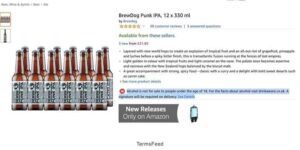
E-commerce Product Disclaimer Example
Online retailers frequently use disclaimers addressing product availability, pricing accuracy, and image representations. These notices protect against claims when products sell out, prices change, or actual products differ slightly from photographs.
Example Language: “Product images are for illustration purposes only. Actual product may vary in appearance. Prices and availability are subject to change without notice. We reserve the right to limit quantities or refuse orders.”
This disclaimer manages customer expectations by acknowledging potential variations. The statement covers common e-commerce issues like stock limitations and pricing errors. The language protects the seller’s flexibility while maintaining transparency with customers.
Example from Amazon

Social Media Content Disclaimer
Brands and influencers use social media disclaimers to clarify sponsored content, affiliate relationships, and personal opinions. These short disclaimer statements must work within character limits while providing clear disclosure.
Effective Social Media Disclaimers
- #ad or #sponsored for paid partnerships
- “Affiliate link” before commission-generating URLs
- “Personal opinion, not medical advice”
- “Results not typical” for testimonials
- “Consult your doctor” for health content
Placement Best Practices
- Beginning of post for maximum visibility
- Before link or call-to-action
- In video description and verbal disclosure
- Story highlights for ongoing disclosure
- Bio section for consistent disclosure
Software and App Disclaimer Example
Technology companies use disclaimers to limit liability for software performance, data accuracy, and system compatibility. These notices appear in end-user license agreements and on download pages.
“This software is provided ‘as is’ without warranty of any kind, either expressed or implied. The company does not guarantee that the software will meet your requirements or that operation will be uninterrupted or error-free.”
Software disclaimers acknowledge the reality that technology can fail or contain bugs. The statement manages expectations about performance guarantees while limiting claims related to software defects. This protection is standard across the technology industry.
News and Media Disclaimer
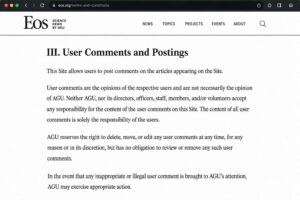
News organizations and media outlets use disclaimers for opinion pieces, user comments, and third-party content. These notices distinguish between editorial content and outside contributions while protecting against defamation claims.
A typical media disclaimer might state that opinions expressed in letters to the editor or user comments do not reflect the publication’s views. The notice clarifies that the media company publishes diverse perspectives without necessarily endorsing them. This protection allows community participation while limiting liability.
Example: EOS ORG website showing-comment-section-with-disclaimer.

Fitness and Exercise Disclaimer
Gyms, fitness websites, and workout programs need disclaimers about exercise risks and the importance of medical clearance. These statements protect against injury claims while encouraging safe participation.
Important Notice: “Consult your physician before beginning any exercise program. If you experience pain or discomfort during exercise, stop immediately and seek medical attention. This workout is intended for healthy adults. Results may vary.”
Fitness disclaimers emphasize personal responsibility and medical consultation. The notice acknowledges inherent exercise risks while encouraging users to work within their capabilities. This balanced approach protects businesses while promoting user safety.
How to Create Effective Disclaimers for Your Business
Creating a disclaimer that provides meaningful protection requires careful attention to content, language, and presentation. The following guidelines help you craft disclaimers that serve their intended purpose while remaining enforceable and user-friendly.
Essential Elements of Strong Disclaimers
Every effective disclaimer should include specific components that establish its scope and legal effect. The statement must identify the party providing the disclaimer, specify what is being disclaimed, and clearly communicate limitations in understandable language.
Effective Disclaimer Elements
- Clear identification of disclaiming party
- Specific scope of what is disclaimed
- Plain language that users understand
- Conspicuous placement and formatting
- Logical organization by topic
- Regular updates to reflect changes
- Appropriate legal terminology when necessary
Disclaimer Mistakes to Avoid
- Hidden or buried disclaimer text
- Overly broad or vague language
- Excessive legal jargon
- Contradictory statements
- Outdated information
- Attempting to disclaim non-disclaimable rights
- Failing to match disclaimer to actual risks
Writing Clear and Understandable Language
Legal effectiveness does not require complex legal language. Courts increasingly favor plain English disclaimers that communicate clearly to ordinary users. The notice should use short sentences, common vocabulary, and direct statements about limitations and responsibilities.
Active voice makes disclaimers more direct and understandable. Instead of “It should be understood that liability is disclaimed,” use “We do not accept liability for…” This straightforward approach improves comprehension while maintaining legal validity.
Define technical terms when you must use them. If your disclaimer references “consequential damages” or other legal concepts, briefly explain what these terms mean. This approach ensures that users understand the actual implications of the disclaimer language.
Proper Placement and Visibility
Disclaimer effectiveness depends heavily on placement and visibility. Users must encounter the disclaimer before or during the activity it covers. A disclaimer buried at the end of a lengthy document or hidden in small print may be unenforceable.
Website disclaimers should appear on every page where they are relevant. Many sites place a general disclaimer in the footer that appears site-wide, with additional specific disclaimers on particular pages. This layered approach ensures users see relevant notices when they need them.
Visual formatting helps disclaimers stand out. Consider using bold headings like “Important Disclaimer” or “Please Read” to draw attention. Contrasting colors, boxes, or borders can make disclaimer text more noticeable without being intrusive.
Poor Placement Examples
- Hidden in lengthy terms document
- Placed after user takes action
- Small gray text on gray background
- Only on obscure “Legal” page
- Requires multiple clicks to access
Effective Placement Examples
- Visible on relevant content pages
- Near call-to-action buttons
- Clear formatting with contrasting colors
- Footer of every page for general disclaimers
- Pop-up or notice before risky actions
- Beginning of articles or posts
- Product description pages
Tailoring Disclaimers to Specific Risks
Generic disclaimer templates provide a starting point, but effective disclaimers address the specific risks your business faces. Analyze your business model, content type, and potential liability sources to identify which disclaimers you need and what they should cover.
Consider the questions users might have or claims they might make. If you provide health information, users might rely on it for medical decisions. If you recommend products, users might blame you if products disappoint. Your disclaimers should anticipate and address these specific scenarios.
Industry-specific risks require specialized disclaimer language. A financial blogger faces different risks than a recipe website. The disclaimer should reflect these differences by addressing the unique ways users might rely on your specific type of content.
Keeping Disclaimers Current
Business activities evolve over time, and disclaimers must evolve with them. Review your disclaimers periodically to ensure they accurately reflect current business practices, legal requirements, and risk exposure. Outdated disclaimers may provide inadequate protection or contain misleading information.
Legal requirements change as regulations evolve and courts issue new decisions. Subscribe to legal updates in your industry or consult with attorneys periodically to identify when disclaimer updates are necessary. This proactive approach maintains effective legal protection.
Document disclaimer revisions with dates or version numbers. This practice helps demonstrate that you maintain current notices and take disclaimer obligations seriously. Some businesses note the disclaimer update date at the bottom of the notice for transparency.
Generate Custom Disclaimers for Your Business
Create professionally-written disclaimers tailored to your specific business needs with our guided disclaimer generator. Answer a few questions about your business and receive customized disclaimer language that addresses your unique risks and requirements.
Disclaimers, Trust, and Transparency in Modern Marketing
The relationship between disclaimers and customer trust might seem contradictory. Legal notices that limit liability could appear to prioritize business protection over customer interests. However, when implemented thoughtfully, disclaimers actually enhance trust by demonstrating transparency and honesty.
The Trust Equation in Digital Marketing
Modern consumers value authenticity and transparency from brands they support. Research consistently shows that trustworthiness ranks among the most important factors influencing purchasing decisions. Disclaimers contribute to this trust when they honestly communicate limitations rather than hiding them.
Consumer Trust Data: According to Statista’s research on brand trustworthiness, transparency in marketing significantly influences consumer loyalty and purchasing behavior. The data indicates that consumers across multiple markets prioritize brands that communicate honestly about their products, services, and business relationships.
Transparency builds credibility that translates into business value. When you clearly disclose affiliate relationships, content limitations, or product disclaimers, you demonstrate respect for customer intelligence. This honesty creates stronger relationships than attempts to hide limitations or overstate capabilities.
Ethical Disclosure Practices
Effective disclaimers go beyond mere legal compliance to embrace ethical disclosure principles. The notice should provide information that users genuinely need to make informed decisions, not just fulfill minimum regulatory requirements.
Consider the user’s perspective when crafting disclaimers. What information would you want to know if you were the customer? What limitations or relationships might affect your decision-making? Answering these questions from a user-centric viewpoint creates disclaimers that serve users rather than just protecting businesses.
The timing of disclosure affects ethical impact. Disclosing important limitations after users have already committed to a purchase or action feels deceptive, even if technically legal. Ethical practice means providing disclaimers when users need the information to make decisions.
Balancing Legal Protection and User Experience
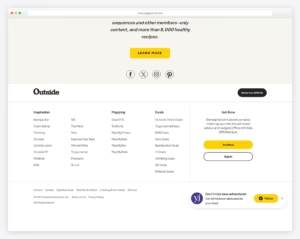
Disclaimers need not create negative user experiences. Well-designed disclaimer notices integrate smoothly into website design without disrupting navigation or overwhelming users with legal text. The goal is conspicuous disclosure that users notice without finding intrusive or annoying.
Progressive disclosure techniques help balance thoroughness with usability. Provide a brief summary disclaimer on the main page with a link to complete disclaimer text for users who want details. This approach makes key information accessible while keeping the interface clean.
Consider using collapsible sections or tabs for lengthy disclaimers. Users who need specific information can expand relevant sections while others can focus on their primary tasks. This flexibility accommodates different user needs without forcing everyone through extensive legal text.
Example: Yoga journal
Yoga journal website showing clean disclaimer-design-integrated-into-footer

Building Credibility Through Honest Communication
Disclaimers that acknowledge limitations honestly can actually enhance credibility. When you admit that your content is not professional advice or that results may vary, you demonstrate intellectual honesty that sophisticated users appreciate.
Contrast builds trust. A company that makes exaggerated claims without disclaimers appears less credible than one that provides balanced information with honest limitations. The disclaimer signals that the company prioritizes accuracy over hype.
This trust-building effect is particularly strong in industries where consumers have been burned by misleading claims. Financial services, health products, and weight loss markets all suffer from credibility problems due to past exaggerations. Clear disclaimers in these areas can differentiate honest businesses from questionable operators.
Legal Requirements and Regulatory Compliance
Various laws and regulations mandate specific disclaimers for certain business activities. Understanding these requirements ensures your disclaimer strategy satisfies legal obligations while providing meaningful protection.
Federal Trade Commission Requirements
The Federal Trade Commission enforces truth-in-advertising laws that require disclosure of material connections. If you receive compensation for endorsements or product recommendations, you must disclose this relationship clearly and conspicuously.
FTC guidelines specify that disclosures must be hard to miss. The notice should use clear language, appear close to the claim it qualifies, and be understandable to the target audience. Ambiguous phrases like “affiliate” may not suffice if consumers don’t understand what the term means.
Social media content faces specific FTC requirements. Hashtags like #ad or #sponsored can satisfy disclosure requirements if they are clear and prominent. However, burying disclosure in multiple hashtags or placing it where users must click “more” to see it violates FTC standards.
Industry-Specific Regulations
Financial services face extensive disclaimer requirements under securities laws. Investment advisors must include specific language about registration status, fee structures, and conflicts of interest. These mandated disclaimers serve to protect investors and maintain market integrity.
Healthcare marketing is regulated under various federal and state laws. Medical devices, pharmaceutical products, and health services must include required disclaimers about FDA approval status, side effects, and limitations. These notices protect public health by ensuring consumers have essential safety information.
Real estate and lending industries operate under consumer protection laws that mandate specific disclosures. Loan disclaimers must include required information about interest rates, fees, and borrower rights. Real estate disclaimers address property condition, fair housing compliance, and agent relationships.
International Considerations
Businesses operating internationally face disclaimer requirements that vary by jurisdiction. European Union data protection laws, for example, require specific privacy disclaimers. Canadian anti-spam legislation mandates certain disclosures in commercial electronic messages.
When your website reaches international audiences, consider which countries’ laws apply. If you actively market to users in specific countries, those nations’ consumer protection and advertising laws may govern your disclaimer requirements regardless of where your business is located.
International intellectual property treaties affect copyright and trademark disclaimers. The Berne Convention and WIPO treaties establish minimum standards for intellectual property protection across member countries. Your disclaimer language should respect these international frameworks when referencing copyrighted or trademarked content.
| Regulation | Industry | Required Disclosure | Placement |
| FTC Endorsement Guides | Influencer Marketing, Affiliate Content | Material connection disclosure (sponsorship, commissions) | Clear and conspicuous near claim |
| SEC Investment Advisor Act | Financial Services | Registration status, conflicts of interest, past performance | Prominent in marketing materials |
| FDA Regulations | Healthcare, Pharmaceuticals | FDA approval status, side effects, limitations | Product labeling and advertising |
| TILA (Truth in Lending) | Lending, Credit | APR, fees, payment terms | Before loan agreement |
| GDPR | All (EU Users) | Data processing, privacy rights | Privacy policy, consent forms |
Consequences of Non-Compliance
Failing to include required disclaimers can result in regulatory penalties, lawsuits, and reputational damage. The FTC can impose substantial fines for disclosure violations and require corrective advertising. State attorneys general can bring enforcement actions under consumer protection laws.
Beyond regulatory consequences, missing disclaimers increase liability exposure. If you fail to disclaim liability for information accuracy and someone relies on incorrect content to their detriment, you face potential negligence claims. Proper disclaimers help prevent or defend against such lawsuits.
Reputation damage from disclosure failures can exceed formal penalties. Consumers who feel deceived by undisclosed relationships or hidden limitations share their experiences widely through social media and review sites. The trust damage from disclosure violations can persist long after resolving legal issues.
Best Practices for Implementing Disclaimers
Understanding what disclaimers should say is only half the challenge. Effective implementation requires attention to technical details, design considerations, and ongoing maintenance. These best practices help ensure your disclaimers work as intended.
Technical Implementation Considerations
Website disclaimers should load properly on all devices and browsers. Test disclaimer visibility on mobile devices, tablets, and various screen sizes. Mobile users represent a significant portion of web traffic, and disclaimers that only display correctly on desktop computers fail to protect adequately.
Consider using website footer elements for general disclaimers that should appear site-wide. Footer implementation ensures consistent presence across all pages without requiring manual addition to each page. This approach reduces the risk of accidentally omitting disclaimers from new content.
For content-specific disclaimers, use content management system templates that automatically include appropriate notices. If your blog posts contain affiliate links, the template should automatically insert the affiliate disclaimer. This automation prevents human error in disclaimer placement.
Design Integration
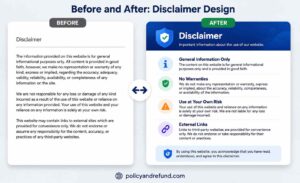
Disclaimers should integrate visually with your overall design while remaining distinct enough to notice. Use design elements that draw attention without clashing with your brand aesthetic. A subtle border, background color, or icon can distinguish disclaimer text while maintaining design cohesion.
Typography affects disclaimer readability and legal effectiveness. Use readable font sizes—typically not smaller than the primary body text. Courts may consider disclaimers in tiny fonts as attempts to hide rather than disclose information, potentially reducing enforceability.
White space around disclaimers improves visibility and readability. Don’t crowd disclaimer text against other page elements. Providing adequate spacing makes the disclaimer appear more important and easier to read.

Multilingual Disclaimers
If your website serves non-English speaking users, translate disclaimers into relevant languages. Providing disclaimers only in English may be inadequate for protecting against claims from users who don’t read English. Translation demonstrates good faith and improves effectiveness.
Professional translation ensures accuracy and proper legal terminology. Automated translation tools may miss nuances in legal language or create confusing translations. Invest in qualified translators who understand both the language and legal concepts.
Consider cultural differences when adapting disclaimers internationally. Legal concepts and consumer expectations vary across cultures. What seems like adequate disclosure in one culture might appear evasive in another. Localize disclaimers thoughtfully rather than merely translating word-for-word.
Testing and Validation
Regularly test disclaimer functionality, especially after website updates or redesigns. Verify that disclaimers appear correctly, load promptly, and remain visible across different platforms. Technical glitches that hide disclaimers eliminate their protective value.
User testing can reveal whether actual users notice and understand disclaimers. Ask test users to navigate your website and explain what they understand about limitations or relationships you’ve disclosed. This feedback helps identify unclear or overlooked disclaimers.
Legal review provides additional validation. While templates offer good starting points, having an attorney review your specific disclaimer implementation ensures it addresses your actual risks and complies with applicable laws. This professional input is particularly valuable for businesses facing significant liability exposure.
Documentation and Record-Keeping
Maintain records of your disclaimer versions and implementation dates. If a dispute arises about what disclaimer was in effect at a particular time, these records provide evidence. Documentation is especially important when you update disclaimers to reflect business changes.
Screenshot or archive actual webpage versions showing disclaimer placement. These visual records demonstrate how prominently you displayed disclaimers and what information was available to users. This evidence can be crucial in defending against claims that disclaimers were hidden or inadequate.
Track changes to terms, conditions, and disclaimers systematically. Version control helps you understand the evolution of your disclaimer strategy and ensures you can demonstrate the rationale for changes if questioned.
Common Disclaimer Mistakes and How to Avoid Them
Even businesses that recognize the importance of disclaimers sometimes make implementation errors that reduce effectiveness. Understanding these common mistakes helps you avoid them and maintain robust legal protection.
Using Generic Templates Without Customization
Generic disclaimer templates provide convenient starting points, but using them verbatim without customization creates problems. Templates may not address your specific business model, risks, or regulatory requirements. The result is a disclaimer that fails to protect against your actual liability exposure.
Customize templates to reflect your business realities. If a template disclaimer addresses product sales but you only provide services, modify the language accordingly. Remove irrelevant sections and add provisions addressing situations specific to your operations.
Review templates critically rather than assuming they are complete. Even quality templates may not anticipate unique aspects of your business. Consider what claims users might make against you and ensure your disclaimer addresses these specific scenarios.
Inconsistent Disclaimer Application
Inconsistency undermines disclaimer effectiveness. If some blog posts include affiliate disclaimers while others omit them, the inconsistency appears suspicious and may reduce legal protection. Courts may view selective disclaimer use as evidence that disclaimers are not serious policy.
Implement systems that ensure consistent disclaimer application. Use content templates, editorial checklists, or automated insertion to maintain consistency. Every piece of content of a particular type should include the same disclaimer in the same location.
Train team members on disclaimer requirements. If multiple people create content, publish products, or manage your website, everyone needs to understand disclaimer policies. Documentation and training prevent inconsistent application due to different team members using different practices.
Hiding Disclaimers in Obscure Locations
A disclaimer that users cannot find provides minimal protection. Burying disclaimer text at the end of lengthy documents, using tiny fonts, or placing notices on separate pages users must navigate to defeats the purpose. Courts may find such disclaimers unenforceable because reasonable users never see them.
Position disclaimers where users naturally encounter them during their interaction with your content or service. A medical advice disclaimer should appear on health articles, not only in a general legal page. An affiliate disclaimer should appear near or before affiliate links, not exclusively in your privacy policy.
Use clear visual cues to indicate disclaimer presence. Headings like “Important Notice” or “Disclaimer” help users recognize legal information. Icons or highlighting draw attention to disclosure text without making pages look cluttered.
Contradicting Disclaimers with Marketing Claims
Marketing materials that promise guaranteed results directly contradict disclaimers stating that results vary. This contradiction confuses consumers and may render disclaimers ineffective. Courts often interpret contradictions against the party that created them.
Ensure marketing and legal teams coordinate messaging. Advertising claims should align with disclaimer limitations. If your disclaimer says results are not typical, your marketing should not feature typical results prominently without additional context.
Be particularly careful with testimonials and case studies. These powerful marketing tools naturally showcase best results. Balance enthusiastic testimonials with clear disclaimers that such results are not typical and that individual outcomes vary based on many factors.
Failing to Update Outdated Disclaimers
Business models evolve, laws change, and new risks emerge. Disclaimers created years ago may no longer reflect current realities. Outdated disclaimers can provide false security while leaving significant gaps in protection.
Schedule regular disclaimer reviews at least annually. Compare current disclaimers against your actual business practices to identify mismatches. Update language to reflect new products, services, or business models you’ve adopted.
Monitor legal developments in your industry. New regulations may require additional disclaimers or modification of existing ones. Subscribe to legal updates or work with attorneys who track regulatory changes affecting your business sector.
Effective Disclaimer Practices
- Customized to specific business risks
- Consistently applied across all content
- Prominently placed where users can see them
- Aligned with marketing claims
- Regularly reviewed and updated
- Written in clear, understandable language
- Properly formatted for visibility
- Legally reviewed by qualified attorneys
Disclaimer Mistakes to Avoid
- Using generic templates without modification
- Inconsistent disclaimer presence
- Hiding disclaimers in obscure locations
- Contradicting disclaimers with marketing
- Never updating disclaimer language
- Excessive legal jargon that confuses users
- Tiny fonts or poor visual presentation
- Attempting to disclaim fundamental rights
Overlooking Mobile Disclaimer Display
Mobile devices present unique disclaimer challenges. Limited screen space and different navigation patterns mean disclaimers that work well on desktop computers may become invisible or illegible on smartphones. With mobile traffic often exceeding desktop usage, mobile disclaimer display is critical.
Test disclaimers on actual mobile devices, not just browser emulators. Real device testing reveals issues with font sizes, button placement, and scrolling behavior that emulators might miss. Verify that disclaimers remain readable and accessible on small screens.
Consider responsive design techniques that adapt disclaimer presentation to screen size. A disclaimer that appears in a sidebar on desktop might need to move above or below main content on mobile. Ensure the adapted placement maintains visibility and prominence.
Assuming Disclaimers Eliminate All Risk
Perhaps the most dangerous mistake is treating disclaimers as complete liability insurance. Disclaimers provide valuable protection, but they do not eliminate all legal risk. Some obligations cannot be disclaimed, and no disclaimer excuses intentional wrongdoing or gross negligence.
Disclaimers work best as part of comprehensive risk management. Combine disclaimer protection with appropriate insurance coverage, quality content practices, and ethical business conduct. This layered approach provides more robust protection than relying on disclaimers alone.
Understand disclaimer limitations in your jurisdiction. Some states or countries restrict disclaimer effectiveness more than others. Consumer protection laws may override disclaimer language in certain situations. Know the legal landscape in markets where you operate.
Industry-Specific Disclaimer Guidance
Different industries face unique disclaimer requirements based on their specific risks, regulatory environments, and customer relationships. This section provides targeted guidance for common business sectors.
E-commerce and Retail Disclaimers
Online retailers need disclaimers addressing product accuracy, shipping, returns, and third-party sellers. Product disclaimers should clarify that images are for illustration purposes and that actual products may vary slightly. Shipping disclaimers manage expectations about delivery times and responsibility for carrier delays.
Return policy disclaimers explain conditions, time limits, and exclusions. Clear disclosure of return requirements prevents disputes and chargebacks. Third-party marketplace sellers should disclaim responsibility for products sold by independent merchants on their platforms.
Pricing disclaimers protect against errors and give retailers flexibility to correct mistakes. Language reserving the right to cancel orders with incorrect prices provides an escape valve for pricing database errors without creating legal obligations to honor obviously wrong prices.
Content Publishers and Bloggers
Publishers need disclaimers addressing information accuracy, professional advice limitations, and external content. General website disclaimers should state that content is for informational purposes and may contain errors despite good faith efforts toward accuracy.
Specific disclaimers apply to sensitive topics. Health content requires medical disclaimers. Financial content needs investment disclaimers. Legal content should include legal advice disclaimers. These specialized notices address the high-risk nature of advice in regulated professions.
User-generated content disclaimers protect platforms from liability for comments, reviews, or forum posts created by users. The disclaimer should clarify that user opinions do not represent the platform’s views and that the platform does not verify user-submitted information.
Software and Technology Companies
Technology companies use disclaimers for software performance, data accuracy, and service availability. Software disclaimers typically include “as is” language disclaiming warranties of merchantability and fitness for particular purposes to the extent legally permissible.
Service level agreements work alongside disclaimers to set availability expectations. The disclaimer might note that while the company strives for high uptime, service interruptions may occur. This notice manages expectations while limiting liability for outages.
Data accuracy disclaimers are important for applications that provide information, calculations, or analysis. The notice should state that while algorithms are designed for accuracy, errors may occur and users should verify critical information independently.
Professional Services
Consultants, coaches, and other professional services providers need disclaimers that prevent general content from creating professional relationships. The disclaimer should state that information provided publicly is general in nature and does not constitute advice for specific situations.
Results disclaimers manage expectations about outcomes. Coaching and consulting disclaimers often note that results depend on client effort and circumstances and cannot be guaranteed. This notice protects against unrealistic expectations while acknowledging that client success involves multiple factors.
Licensing disclaimers clarify jurisdictional limitations. Attorneys, accountants, and other licensed professionals should note the states or countries where they are licensed and that advice pertains to those jurisdictions’ laws.

Educational Content and Courses
Online courses and educational platforms need disclaimers about results, refunds, and content accuracy. Results disclaimers should note that student success depends on individual effort, prior knowledge, and application of principles taught. This notice prevents claims that everyone who takes the course will achieve specific outcomes.
Refund policy disclaimers clarify conditions for money-back guarantees. Specify time limits, conditions for refund eligibility, and what students must do to request refunds. Clear refund disclaimers reduce disputes and provide clear procedures.
Content accuracy disclaimers acknowledge that information may become outdated. Fields like technology, marketing, and regulations change rapidly. The disclaimer should note that course content reflects knowledge at the time of creation and may need updating as circumstances evolve.
Health and Wellness
Health, fitness, nutrition, and wellness content carries significant liability risk. Medical disclaimers must clearly state that content does not constitute medical advice and cannot replace consultation with qualified healthcare professionals. The notice should direct readers to consult doctors before starting exercise programs, diets, or supplements.
Results disclaimers are essential for weight loss, fitness, and wellness programs. Federal Trade Commission guidelines require disclosure that testimonials do not represent typical results. The disclaimer should note that individual results vary based on many factors including genetics, existing health conditions, and adherence to programs.
Supplement and product disclaimers must include FDA required language. Dietary supplement disclaimers typically include statements that products are not intended to diagnose, treat, cure, or prevent any disease and that claims have not been evaluated by the Food and Drug Administration.
Frequently Asked Questions About Disclaimers
Do I really need a disclaimer if I’m just a small blog?
Yes, disclaimers provide valuable protection regardless of business size. Small blogs face the same potential liability as large companies when someone relies on content and suffers harm. A reader who follows your advice and experiences negative results could make claims against you. Disclaimers help limit this liability by clarifying the nature of your content and setting appropriate expectations. The cost of implementing disclaimers is minimal compared to potential legal expenses defending against even frivolous lawsuits.
Where should I place disclaimers on my website?
Place disclaimers where users naturally encounter them before or during the activity the disclaimer covers. General website disclaimers work well in site footers that appear on every page. Content-specific disclaimers should appear on or near the relevant content—for example, medical disclaimers on health articles or affiliate disclaimers near product recommendations. The key is ensuring users see the disclaimer before they rely on the disclaimed information. Test disclaimer visibility on both desktop and mobile devices to ensure consistent display across platforms.
Can I copy disclaimer language from another website?
Copying exact disclaimer language from other websites is not advisable for several reasons. First, you might infringe on copyrighted content if the disclaimer was professionally written. Second, another website’s disclaimer may not address your specific risks and business model. Third, generic copied disclaimers may miss important requirements for your industry or jurisdiction. Instead, use professionally created templates as starting points and customize them to reflect your actual business practices, risks, and legal requirements. Consider having an attorney review your customized disclaimers to ensure adequate protection.
Do disclaimers need to be reviewed by a lawyer?
While not legally required, having an attorney review your disclaimers is highly recommended, especially for businesses with significant liability exposure. Attorneys can identify risks you might overlook and ensure disclaimer language provides effective protection under applicable laws. Legal review is particularly important for businesses in regulated industries like healthcare, finance, or professional services. For smaller operations with limited budgets, focus legal review on your most important disclaimers and use reputable templates for less critical notices. Many businesses find that an initial legal consultation to establish disclaimer framework provides valuable guidance for ongoing implementation.
How often should I update my disclaimer?
Review disclaimers at least annually to ensure they reflect current business practices and legal requirements. Update disclaimers immediately when you make significant business changes like adding new products, entering new markets, or changing business models. Monitor legal developments in your industry and update disclaimers when new regulations impose additional requirements. Consider dating your disclaimers or maintaining version numbers to document when updates occurred. Outdated disclaimers may provide inadequate protection or contain misleading information about your current operations.
What is the difference between a disclaimer and terms of service?
Disclaimers and terms of service serve different legal functions. A disclaimer is a statement that limits liability by clarifying what you do not promise or guarantee. Terms of service create a binding contract that establishes rules for using your website or service. Disclaimers inform users about limitations without requiring acceptance, while terms of service typically require user agreement to form an enforceable contract. Many websites include both documents, often linking them together, but they remain legally distinct. Disclaimers focus on what you are not responsible for, while terms of service outline what users can and cannot do.
Can a disclaimer completely protect me from lawsuits?
No, disclaimers do not provide complete protection from all lawsuits. They significantly reduce certain liability risks but cannot eliminate legal responsibility for intentional wrongdoing, gross negligence, or violations of consumer protection laws. Courts will not enforce disclaimers that attempt to waive fundamental rights or that are unconscionable. Disclaimers work best as one component of comprehensive risk management that includes appropriate insurance, quality control, and ethical business practices. Think of disclaimers as important protection tools rather than complete liability shields.
Are email disclaimers legally effective?
Email disclaimers have limited legal effectiveness, and their value is often overstated. The disclaimer at the bottom of emails claiming confidentiality or limiting redistribution has questionable enforceability, especially for emails sent to unintended recipients or forwarded by recipients. However, email disclaimers can serve useful purposes like identifying the sender’s organization, providing contact information, or including required regulatory disclosures for certain industries. If you use email disclaimers, keep them concise and focus on genuinely useful information rather than unenforceable legal claims about confidentiality.
Implementing Disclaimers: Your Action Plan
Understanding disclaimers is the first step; implementing them effectively requires action. This guide has explored what disclaimers are, why they matter, and how to create them for maximum protection and transparency. Now you can take concrete steps to protect your business while building trust with your audience.
Immediate Actions to Take
Start by auditing your current disclaimer situation. Review your website, social media profiles, and marketing materials to identify where disclaimers exist and where they are missing. Make a list of content types you create and the potential liability each type creates. This audit reveals gaps in your current protection.
Prioritize disclaimer implementation based on risk exposure. High-risk content like medical advice, financial information, or affiliate recommendations should receive disclaimer attention first. Lower-risk general content can follow once you have protected your most significant liability areas.
Choose appropriate disclaimer types for your business model. If you run an e-commerce site, focus on product disclaimers, shipping disclaimers, and return policy disclosures. Content creators should emphasize fair use disclaimers, professional advice disclaimers, and affiliate disclosures. Select disclaimer categories that match your actual activities and risks.
Building Long-Term Disclaimer Strategy
Develop templates and systems that ensure consistent disclaimer application. Create content templates that automatically include appropriate disclaimers based on content type. Establish editorial checklists that prompt content creators to add necessary disclaimers before publishing. These systems prevent disclaimer omissions due to oversight or inconsistent practices.
Train your team on disclaimer importance and proper implementation. Everyone who creates content, publishes products, or manages your website should understand why disclaimers matter and how to implement them correctly. Documentation and training create shared understanding that supports consistent practices.
Schedule regular disclaimer reviews as part of your business routines. Quarterly or annual reviews ensure disclaimers stay current with business changes and legal developments. Document these reviews to demonstrate your ongoing commitment to proper disclosure and legal compliance.
Key Takeaway: Disclaimers protect your business while demonstrating transparency and respect for your audience. When implemented thoughtfully, they serve both legal and ethical purposes—limiting liability exposure while building trust through honest communication about limitations and relationships.
The relationship between legal protection and customer trust is not contradictory. Transparent disclaimers that honestly acknowledge limitations actually enhance credibility with sophisticated audiences who value authenticity over exaggerated claims. Your disclaimer strategy should balance legal protection with user experience, creating notices that are both enforceable and user-friendly.
Remember that disclaimers complement rather than replace other business protections. Maintain appropriate insurance coverage, implement quality control processes, and conduct business ethically. Disclaimers work best as part of comprehensive risk management, not as standalone solutions.
The investment of time and resources in proper disclaimer implementation pays dividends through reduced legal risk and enhanced reputation. Businesses that prioritize transparency through clear disclaimers differentiate themselves in markets where trust has become a valuable commodity. Your commitment to honest disclosure signals integrity that resonates with consumers increasingly skeptical of exaggerated marketing claims.
Ready to Protect Your Business with Professional Disclaimers?
Access our complete disclaimer resource library including customizable templates, implementation guides, and compliance checklists. Get the tools you need to create effective disclaimers that protect your business while building customer trust.
Take action today to implement disclaimers that serve your business needs. Whether you choose to use professionally created templates, work with legal counsel, or develop custom disclaimer language, the important step is beginning the process. Your future self will appreciate the protection you establish now, and your customers will respect the transparency you demonstrate through clear, honest disclaimers.
The digital landscape continues to evolve, bringing new opportunities and new risks. Disclaimers adapt to these changes, providing flexible protection that grows with your business. By understanding disclaimer fundamentals and implementing them strategically, you position your business for sustainable success built on a foundation of legal compliance and customer trust.